Where to Enjoy Fresh and Authentic Caribbean Food in Denver
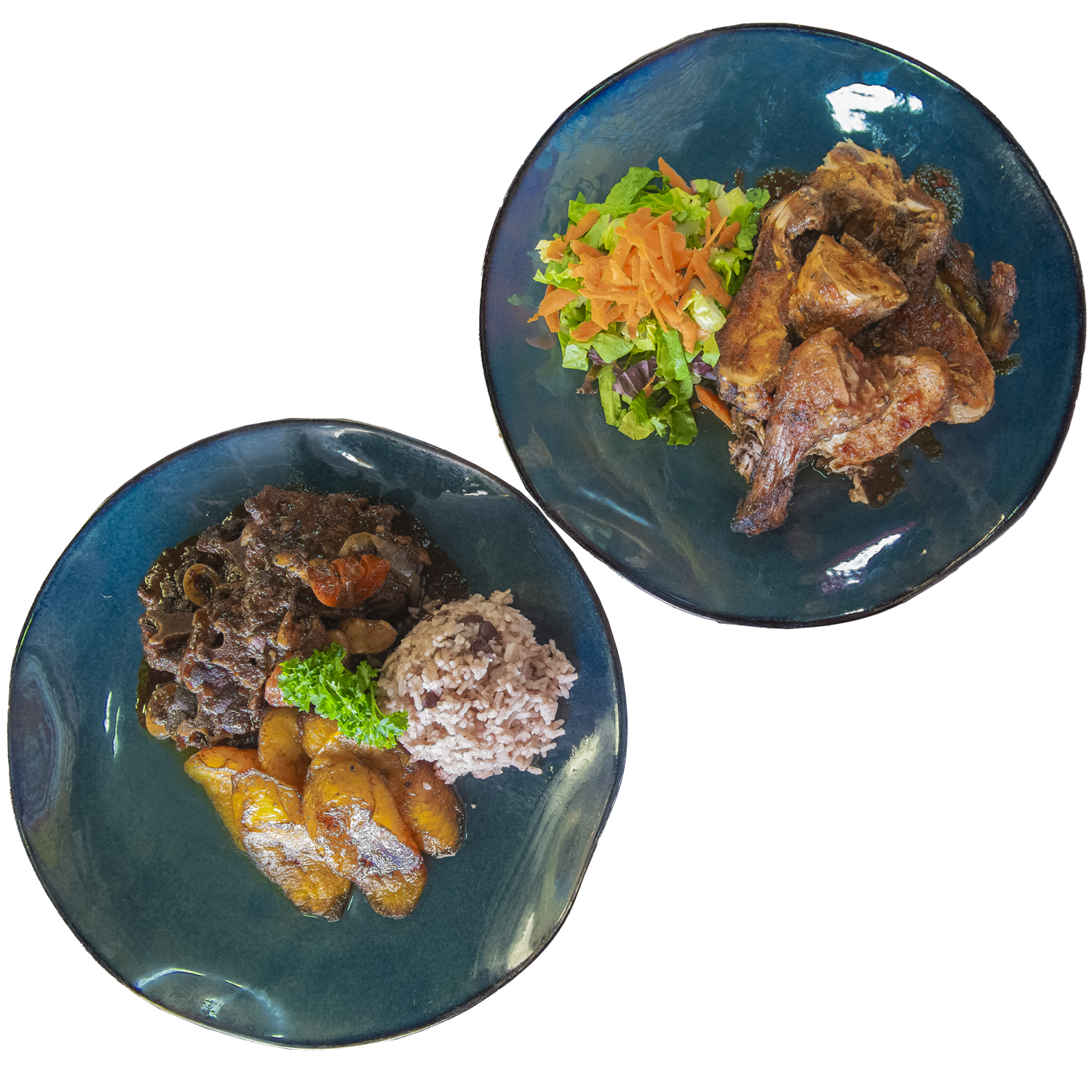
Denver is not the first American city people associate with Caribbean cooking. That works in your favor. The best meals here are usually not polished for tourists or built around a beach-theme idea of the islands. They are quieter, more personal, and often tied to family recipes, church communities, weekend events, and small owner-operated kitchens that care a lot more about flavor than branding.
That matters because Caribbean food lives or dies on details. Rice and peas should not taste like plain rice with beans spooned in as an afterthought. Jerk should bring smoke, spice, heat, and a little sweetness, not just generic “hot chicken” energy. Oxtail needs time. Plantains need patience. Curry goat should feel layered and deep, not loud and one-note. When you find a Denver kitchen that gets those things right, you remember it.
If you are looking for caribbean food denver diners genuinely return to, start with the understanding that the city’s scene is spread out and a bit hybrid. You will find Jamaican staples, Cuban cooking, Trinidadian influences, Haitian flavors in occasional pop-ups, and pan-Caribbean menus that borrow across islands. Some of the best food comes from small storefronts in east Denver and nearby Aurora. Some comes from long-running local institutions that have introduced Denver diners to Caribbean flavors over years, even if their menus are adapted slightly for the market. And some of the freshest food appears only on certain days, at food trucks, special events, or community gatherings.
What “authentic” really looks like in Denver
Authenticity is a loaded word in food writing, and it gets misused constantly. In practice, when people ask for authentic Caribbean food, they usually mean a meal with clear roots, cooked with respect for tradition, by people who understand the difference between a dish that represents a culture and one that merely borrows its name.
In Denver, that often looks like a small menu rather than a huge one. It looks like a steam table where the oxtail is clearly the labor-intensive item and therefore priced accordingly. It looks like sides that matter just as much as the protein, whether that is cabbage, festival, rice and peas, fried ripe plantains, or yuca. It looks like spice levels that are not flattened beyond recognition, even if the kitchen is willing to adjust on request. It also looks like inconsistency in ways diners sometimes forget to value. A family-run place may run out of patties or soup by late afternoon. That is not always bad management. Sometimes it is simply a sign the food was cooked for the day, not mass-produced for indefinite holding.
Freshness in Caribbean cooking is not only about produce. It is about timing. A curry that has had enough time to settle tastes fuller. A just-fried fish should be crisp outside and moist inside. A roti shell that sat too long loses its tenderness. The best Denver spots understand that not every item shines at every hour. If you go early for lunch, stewed dishes may be at their peak. If you show up too close to closing, you may get slim pickings, or food that has been sitting longer than ideal.
The neighborhoods and corridors worth your attention
If you want to eat well, it helps to stop thinking about downtown first. Denver’s strongest Caribbean meals are often caribbean food denver found away from the most obvious visitor zones. East Colfax and parts of Aurora are especially worth your time because they support independent restaurants that serve immigrant communities, working locals, and regulars who know what they are ordering. These places may not always have the sleekest dining rooms, but they frequently deliver the kind of direct, generous cooking people are after when they search for caribbean food denver options with real personality.
Aurora deserves special mention because it functions as one of the metro area’s broader international dining hubs. It is the sort of place where you can combine a Caribbean lunch with a stop at a specialty market nearby, and the whole outing starts to feel less like restaurant hunting and more like learning a food culture through a neighborhood. If your goal is discovery rather than simply checking off a famous address, that is a better way to eat.
Central Denver still has a role, especially if Cuban food is part of what you mean by Caribbean. Long-running Cuban restaurants have introduced many locals to ropa vieja, mojo-marinated pork, black beans, sweet plantains, and pressed sandwiches. Those places may feel more polished, and in some cases more adapted to a broad audience, but they still matter. They are often the most accessible entry point for diners who know Caribbean food only in broad strokes and want a comfortable first experience before seeking out smaller kitchens.
Then there are the temporary spaces. Pop-ups, brewery collaborations, festival booths, and market stalls can be surprisingly strong in Denver because they let cooks focus on a short menu and sell dishes that are difficult to carry in a permanent restaurant all week. A cook making doubles, patties, jerk plates, or braised meats for a weekend event may actually have more freedom to stay true to the dish than a restaurant that has to please every customer every day.
How to tell if a place is worth the trip
Some signs are easy to spot once you know what to look for.
- The menu is focused, not encyclopedic, and the kitchen clearly has a few signature dishes.
- The side dishes are treated seriously, especially rice, plantains, greens, slaw, or peas.
- You see stewed, braised, or slow-cooked items that require time and cannot be faked at the last minute.
- Staff can explain regional differences or recommend what is best that day without resorting to generic descriptions.
- The room has regulars picking up large orders, often for families rather than solo diners.
None of these clues guarantees a perfect meal, but together they tell you a lot. In my experience, the places that cook with confidence are also the places least interested in over-explaining themselves. If the jerk chicken is good, the aroma usually reaches you before the menu does.
Jamaican cooking is often the backbone of Denver’s Caribbean scene
If you had to start with one branch of Caribbean cooking in Denver, Jamaican food would be the most practical place to begin. It travels well, it has broad appeal, and it offers several dishes that hold up beautifully in small restaurant settings. A strong Jamaican kitchen can give you a satisfying first read on the city’s Caribbean range.
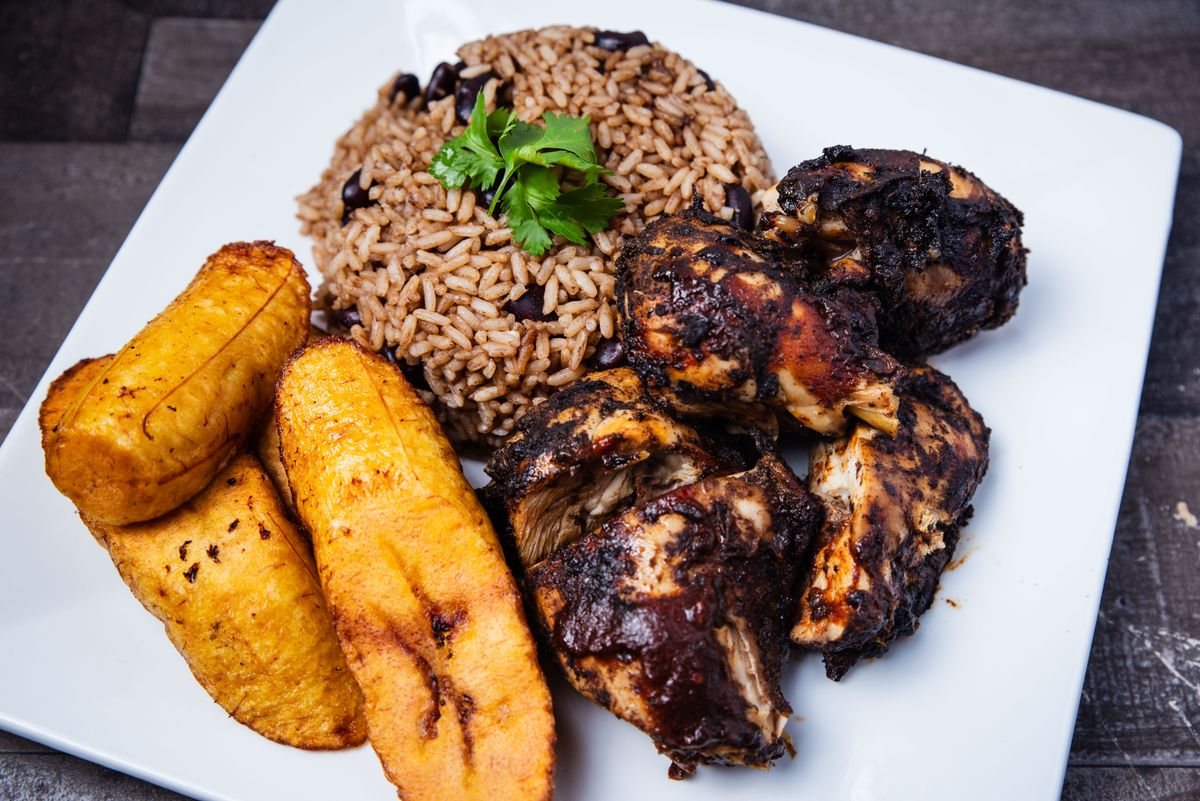
Jerk chicken is the obvious test. Good jerk should taste seasoned to the bone, not merely dusted on the surface. Depending on the setup, you may not get the exact pimento-wood profile found in Jamaica, but you should still get depth from allspice, thyme, Scotch bonnet or similar heat, garlic, and smoke. Too many places in non-Caribbean cities confuse spice with jerk. Denver has enough informed diners now that the better kitchens know they need to do more.
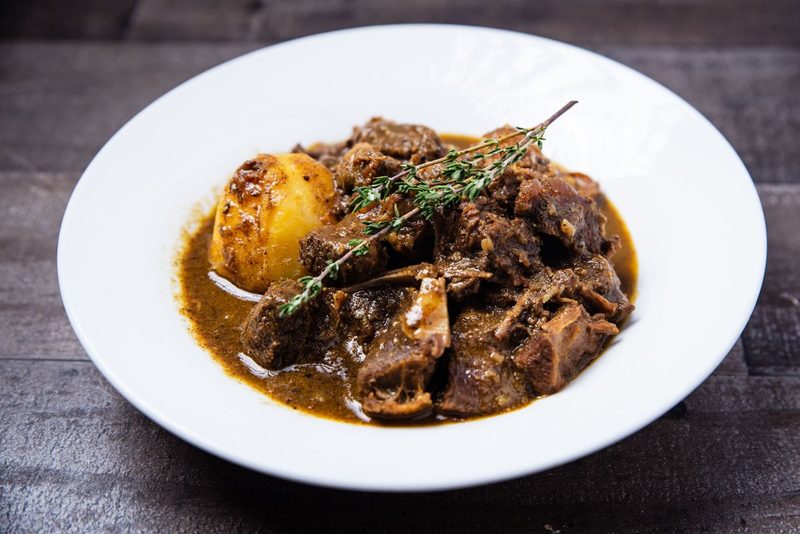
Oxtail is the next benchmark, and it is usually where you separate the serious cooks from the casual imitators. Proper oxtail is expensive to make, slow to prepare, and impossible to rush. The sauce should feel silky and rich, often with butter beans, and the meat should yield without collapsing into mush. When a Denver restaurant gets oxtail right, it earns loyalty quickly.
Curry goat can be excellent here as well, especially at places that are not afraid of aromatic spice. It should have body, savoriness, and enough heat to wake up the plate without flattening everything else. Served with rice and peas and a side of cabbage, it becomes the kind of lunch that rearranges your afternoon plans because you are suddenly too full to do much else.
Patties deserve more respect than they sometimes get. In a good shop, a beef patty is not just a grab-and-go snack. It is a test of balance. The pastry needs flake and color. The filling needs moisture and spice. Add coco bread if the place offers it, and you have one of the better-value meals in town.
Cuban restaurants offer a different kind of Caribbean pleasure
Cuban food has a long foothold in Denver, and while every local has opinions about which places feel most traditional, the category itself fills an important role. Cuban cooking can be a bridge between diners who know Caribbean ingredients and those who are still exploring. The seasoning profile is often gentler than Jamaican food, but not less serious. Citrus, garlic, onions, pork, beans, and long-simmered meats carry the meal.
This is where atmosphere sometimes matters more than people admit. A plate of ropa vieja in a warm, bustling dining room with strong coffee on the way lands differently than the same dish in a sterile space. Denver’s better Cuban spots understand that hospitality is part of the meal. You sit longer. You order a drink. You split croquetas or tostones. Dessert enters the conversation even if no one planned on it.
If freshness is your priority, order the dishes that rely on simple execution rather than elaborate presentation. Roast pork, black beans and rice, sweet plantains, grilled fish with citrus, or a pressed sandwich made to order often tell you more than trendier menu items. Cuban kitchens that have been around a while usually know how to season beans properly, and that alone is worth noticing. Beans are one of those quiet dishes that expose shortcuts immediately.
Do not overlook Trinidadian and broader island influences
Denver’s Caribbean food scene is not large enough to box itself neatly by island. That is one reason it stays interesting. You may find Trinidadian flavors on a menu that also serves Jamaican classics, or a chef who grew up with one tradition but cooks across several because that is what the local market supports.
When doubles show up, pay attention. Done right, they are one of the great street foods of the Caribbean, soft bara filled with curried chickpeas and layered with pepper sauce, tamarind, or chutney. They are messy in the best way. They are also hard to find consistently, which is why people who know them tend to get excited when they appear on a Denver menu or at a pop-up.
Roti can be another standout if the kitchen understands the balance between bread and filling. A good roti should feel supple and warm, not dry or leaden, and the filling should carry enough moisture to coat the interior without turning the whole thing soggy. This is not easy to execute in volume, which is one reason the best versions often come from smaller operations rather than broad, all-purpose restaurants.
There is also a broader pan-Caribbean style that appears in Denver menus, where cooks draw from multiple islands and create plates that are rooted in tradition without being rigid about labels. That can be excellent when done by someone with real connection to the food. It can also get fuzzy when restaurants start blending every tropical reference into one menu. The difference is usually visible in the seasoning and in the sides. Cooks who know the food from home rarely treat the plate like a costume.
The dishes most worth ordering first
If you are trying a new Caribbean restaurant in Denver and want the best read on the kitchen, these are smart starting points.
- Jerk chicken, because spice blend, smoke, and moisture are all on display at once.
- Oxtail, because patience and technique show up clearly in the texture and gravy.
- Curry goat or curry chicken, because a good curry reveals how the kitchen handles depth, heat, and balance.
- Fried plantains or rice and peas, because even the sides should taste intentional.
- A patty, roti, or doubles if available, because handheld items often reveal the kitchen’s roots.
There is no need to order all of them at once, but you can learn a great deal from any one of these. If the restaurant misses on basics like rice texture or plantain ripeness, the rest of the menu is less likely to shine.
Why small menus often produce the best meals
One pattern I have seen in Denver over and over is that the strongest Caribbean cooking often comes from places that resist expansion. They do not try to cover every island, every protein, every side, every brunch trend, and every cocktail format all at once. They make a handful of dishes really well, and customers come back for those dishes.
This is especially important with food that depends on marination, braising, and daily prep. A restaurant that offers five or six mains and rotates specials as ingredients or labor allow is more likely to keep quality high than a restaurant trying to be all things to all people. There is a trade-off, of course. A limited menu can disappoint diners who arrive with fixed expectations. If you came specifically for goat and they sold out, you may have to pivot. But that kind of limitation often reflects real cooking rather than menu inflation.
The same principle applies to side dishes. When a place offers one rice, one vegetable side, and one or two starches, it can concentrate on getting them right. That matters more than variety. Fresh cabbage with the proper seasoning and texture beats a buffet of tired options every time.
Timing can make or break the experience
Fresh and authentic are not static qualities. They shift with the hour, the day, and the rhythm of the kitchen. If you want the strongest version of Caribbean food in Denver, lunch and early dinner often beat the final hour before closing. Braised dishes are settled, fried items are still moving, and the staff has not started rationing what remains for takeout orders.
Weekend service can be especially good because that is when many Caribbean cooks lean into special dishes, family-size portions, or community-driven traffic. It can also be busier and less predictable. You may wait longer. You may encounter a sold-out item. I would take that over a fully stocked but lifeless service any day.
Weather plays a role too. Denver’s climate can make warm stews and braises feel especially satisfying for much of the year. A plate of oxtail, rice and peas, and plantains on a cold evening has a kind of logic to it. During summer, grilled jerk, citrusy pork, and fresh slaws come forward. This may sound obvious, but the city’s seasonality changes how people order, and good kitchens respond.
Markets, pop-ups, and community events deserve your attention
Some of the most compelling Caribbean food in Denver is not available seven days a week under a fixed sign. It appears at cultural festivals, neighborhood events, breweries, and occasional market stalls. That can be frustrating if you want certainty, but it is also part of the pleasure. Pop-ups let cooks test dishes that do not always fit permanent restaurant economics. They can focus on a single specialty and do it beautifully.
Community events are also one of the few places where you may encounter a wider island range in one outing. Jamaican plates, patties, sorrel, Trinidadian snacks, and desserts may all show up in the same space. You get context. You hear accents, music, and ordering habits that reveal how people actually eat this food, not just how it is marketed to outsiders.
If you care about authenticity, these spaces are often more revealing than polished dining rooms. Watch what sells first. Watch what families order in bulk. If one table keeps walking away with multiple containers of the same stew, there is your clue.
What Denver still does differently from larger Caribbean food cities
It is worth being honest about the limits. Denver is not Miami, Brooklyn, Toronto, or South Florida. The city does not yet have the same density of Caribbean restaurants, nor the same depth of island-specific specialization. You may not find your favorite regional preparation exactly as you know it elsewhere. Some places adjust heat levels. Some source ingredients creatively because supply is inconsistent. Some menus broaden into “island” cooking in order to survive commercially.
That does not make the food less meaningful. It simply means your expectations should be calibrated. Look for care, flavor, and roots, not a fantasy of carbon-copy replication. In fact, some of the best meals here have their own Denver character. They preserve the heart of the dish while adapting to local realities. A smart diner can appreciate both the tradition and the adjustment.
The stronger the restaurant’s connection to its own point of view, the better that adaptation tends to be. Problems start when a menu chases stereotypes, piles sweetness onto everything, or treats spice as a gimmick. Good Caribbean cooking is bold, but it is also controlled. It is generous, but not careless.
A practical way to explore the scene
The most rewarding way to approach Caribbean food in Denver is to make a project of it over a few weekends. Pick one Jamaican-focused place, one Cuban institution, and one pop-up or market event if you can find it. Order with intention. Try one stewed dish, one grilled or fried item, and a side you would normally overlook. Notice whether the rice stands on its own, whether the sauces feel built rather than bottled, reggaepotjamaicangrill.com caribbean food denver and whether the room has the energy of a place people trust.
Talk to the staff if the moment is right. Not in a performative way, and not during a rush. Ask what they are proud of, what sells out first, or what they would feed someone visiting from out of town. Those answers are often more useful than reviews. Hospitality-heavy cuisines tend to reveal themselves through conversation as much as through menus.
If you are bringing friends, order family-style. Caribbean food is generous by nature, and a shared table gives you a better sense of range. One person can chase jerk, another can go for a braise, someone else can add patties or plantains, and suddenly you have a meal that teaches you more than any single entrée could.
Denver’s Caribbean dining scene rewards patience and curiosity. It may not announce itself loudly, but it is here, and when you find the kitchens that cook with memory, restraint, and confidence, the city starts to taste bigger than it first appears. Freshness shows up in the details. Authenticity shows up in the choices. And the best meals, as usual, are the ones made by people who know exactly what they are trying to preserve.
Reggae Pot Jamaican Grill
2243 S Monaco St Pkwy, Suite 104
Denver, CO 80222
(720) 410-2956
FAQ About caribbean food denver
What is a typical Caribbean meal?
Caribbean cuisines vary by island. A Jamaican meal might pair jerk chicken or oxtail with sides such as rice and peas, cabbage, or fried plantains.
What is Jamaica’s national dish?
Ackee and saltfish is widely recognized as Jamaica’s national dish. Check the current menu for availability.
Is Caribbean jerk the same as Jamaican jerk?
Jerk is a Jamaican cooking tradition associated with seasoning and slow cooking or grilling. The exact heat level and preparation vary by cook.