Where to Eat the Best Caribbean Food in Denver Today
Finding great Caribbean food in Denver takes a little more intention than it does in cities with long-established island communities. You do not stumble across three jerk spots on one block here, and you are not likely to find a massive row of bakeries, steam tables, and rum bars all competing for your lunch dollar. What Denver does have, though, is a smaller, more scattered scene with real character. The best meals tend to come from places that know exactly what they are doing, whether that means a polished Cuban dining room, a sandwich counter that moves fast at lunch, or a modest kitchen turning out deeply seasoned meats and starchy sides that taste like someone cooked them for family first and customers second.
That smaller footprint changes how you should approach the search. If you are after the best caribbean food denver has to offer, it helps to let go of the idea that everything will be in one neighborhood or even one style. Caribbean cuisine is not a single lane. In Denver, it often shows up through Cuban staples, Jamaican comfort food, Trinidadian influences, and occasional Puerto Rican or broader island-inspired menus. The smart move is to chase the places that have conviction, then order the dishes that reveal whether the kitchen really understands balance, spice, tenderness, and restraint.
Start with the city’s most reliable Caribbean anchor
If you ask longtime Denver diners where to begin, Cuba Cuba almost always enters the conversation early, and for good reason. It has been one of the city’s most recognizable gateways to Caribbean and Latin island flavors for years. The original sit-down restaurant feels like a place built for staying awhile. You go there when you want a full meal, a drink, and enough time to notice the details, from the pressed sandwiches to slow-cooked meat dishes and sides that carry the meal instead of merely filling the plate.
What makes Cuba Cuba matter in this conversation is not simply longevity. It is consistency and accessibility. For someone newly exploring Caribbean food in Denver, it offers a menu that is legible without being timid. You can order a Cuban sandwich and understand immediately why pressed bread, roast pork, mustard, pickles, and ham remain such a durable combination. You can also go deeper into braised meats, plantains, black beans, rice, and sauces that show how comfort and acidity work together on the same plate.
The more casual Cuba Cuba Sandwicheria locations serve a different purpose, and it is a useful one. These are the places to hit when you want the essence of the food in a quicker format. Sandwiches travel well. Rice bowls satisfy without ceremony. On a weekday lunch, that matters. There are plenty of cities where the “best” version of a cuisine is always hidden in a hard-to-find corner. Denver is not always like that. Sometimes the right answer is simply the place that keeps showing up because it does the fundamentals well.
caribbean food denverIf you only have one meal to test the waters, a Cuban restaurant like this is still the easiest entry point. It gives you a baseline. After that, you can branch into the spicier, smokier, and more niche corners of the Caribbean spectrum around the metro area.
What “best” really means with Caribbean food
With Caribbean cooking, flash rarely tells you much. The best plate is usually not the one with the biggest garnish or the most decorative plating. It is the one where the chicken carries seasoning all the way through, the rice has absorbed stock or coconut rather than sitting blandly underneath everything else, and the sweet components do not turn cloying. Good Caribbean food thrives on contrast. Heat against sweetness. Fat against acid. Soft braises against crisp fried edges. Rich meat against simple starches.
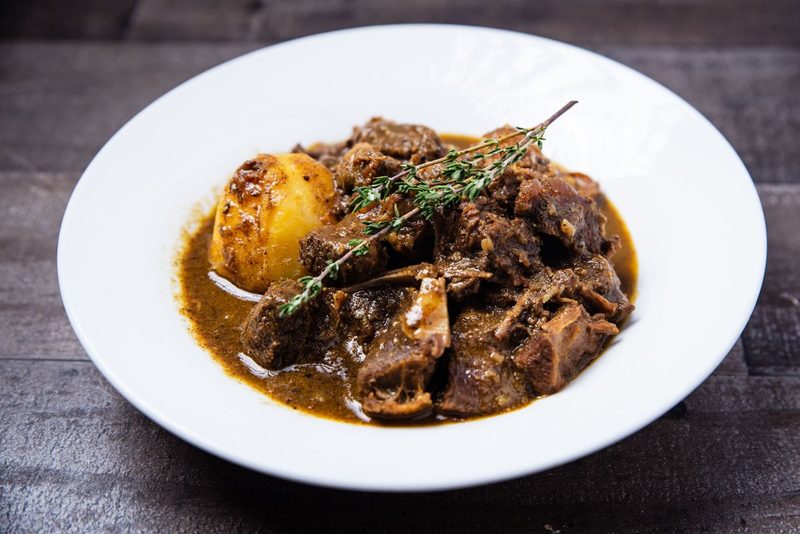
That is why a menu alone does not tell you whether a place is worth your time. Jerk chicken appears everywhere now, but authentic, satisfying jerk is hard to fake. The seasoning has to be layered, not just spicy. Allspice, thyme, Scotch bonnet heat, smoke, and salt should all show up. Curry goat sounds promising on paper, but if the sauce is thin and the meat stringy, the dish loses the slow-cooked depth that makes it special. Oxtail should feel sticky and luxurious, not merely expensive.
The restaurants and small kitchens worth tracking in Denver are the ones that get those details right, even if the room itself is plain.
Denver’s Caribbean scene rewards flexibility
One thing people notice quickly is that some of the most satisfying Caribbean food around Denver does not always come from the most obvious full-service restaurant. Food trucks, caterers with pickup windows, pop-up cooks, and family-run counters can be excellent, especially for Jamaican and Trinidadian-style dishes. The trade-off is predictability. Hours can be narrower. Some vendors sell out. Others operate more actively on weekends or around specific events.
That is not a flaw so much as part of the landscape. Caribbean food here often survives through entrepreneurship rather than sheer volume of neighborhood demand. A smaller operator may not have a seven-day dining room, but they may produce the best curry chicken you eat all month. If you care about flavor more than format, this is worth embracing.
It also means you should widen your map beyond downtown. Some of the strongest meals may be in the broader metro, especially in areas where independent immigrant-run food businesses can afford to operate with a little more room. Aurora, parts of Lakewood, and certain suburban stretches are often better hunting grounds than the central business district. Denver proper has recognizable names, but the metro area tends to hold some of the more personal kitchens.
If you want a sit-down meal, Cuban is your safest first bet
Cuban food remains the most visible Caribbean category in Denver, and that matters for diners who want reliability. A proper sit-down Cuban meal delivers comfort fast. The meats are usually braised or roasted long enough to develop real savor. The side dishes, black beans, white rice, yuca, maduros, croquetas, often carry enough personality to matter on their own. The best versions feel complete without becoming heavy for heaviness’s sake.
At a good Cuban spot, notice the bread first if you order a sandwich. It should crack lightly when pressed, not shatter into dryness. The pork should taste marinated, not merely sliced. Mustard should sharpen the richness rather than dominate it. Small failures show up quickly in a Cuban sandwich because there is nowhere for them to hide.
The same goes for ropa vieja, lechon, and picadillo. These are not difficult to list on a menu. They are difficult to execute so they feel vivid instead of merely functional. When the tomatoes still taste bright, the onions have melted in properly, and the rice catches the juices instead of fighting them, you know the kitchen is paying attention.
For many Denver diners, this is where Caribbean cravings begin. It is not the whole region, but it is a strong and dependable chapter of it.
Jamaican food is often where the biggest rewards are
The Jamaican side of the equation can be harder to pin down in Denver, but it is often the most exciting once you find it. Good Jamaican cooking has a confidence that is unmistakable. The spice is assertive. The gravy is unapologetic. The portions tend to be generous. A proper plate of jerk chicken, curry goat, brown stew chicken, or oxtail with rice and peas and cabbage does not need much interpretation. It either lands or it does not.
When it lands, it is memorable. The chicken should carry smoke and spice, not just chile heat. Curry should be earthy and fragrant. Oxtail should collapse under a fork without turning mushy. Rice and peas should taste seasoned enough to stand alone. Even cabbage, often treated as an afterthought by careless kitchens, can tell you a lot. In the right hands it adds sweetness, texture, and relief from the richer parts of the plate.
In Denver, the best Jamaican-style meals are sometimes found in smaller spots with practical setups, the kind of place where the menu board is short and the person at the counter can tell you exactly what sold fastest that day. Those are good signs. Caribbean food is often strongest when the kitchen is focused, not sprawling.
Why side dishes matter more than people think
One of the fastest ways to judge Caribbean food is to stop obsessing over the protein and pay attention to what surrounds it. Rice and peas, plantains, beans, cabbage, yuca, slaw, and sauces often separate a good plate from a forgettable one.
A lot of Denver restaurants can cook a decent piece of meat. Fewer know how to make the sides feel integrated. Plantains should not be an afterthought pulled from the fryer too early or too late. Maduros need proper caramelization. Rice should be moist and aromatic, not chalky. Beans should be seasoned all the way through. If a place gets all that right, the kitchen usually has range.
This matters because Caribbean food is not built around a single centerpiece. It is a cuisine of assembled balance. Every component plays a role. A bite of jerk chicken after sweet plantain tastes different from the same chicken after a spoonful of rice and peas. Good restaurants understand that choreography instinctively.
Dishes worth ordering when you want a real measure of the kitchen
If you are trying to figure out whether a place is truly good or just photogenic, a few dishes reveal the truth quickly.
- Jerk chicken, because smoke, spice, and moisture all have to line up
- Curry goat or curry chicken, because the sauce should be deep rather than flat
- Oxtail, because tenderness and reduction expose the kitchen’s patience
- A Cuban sandwich, because balance and bread quality matter immediately
- Plantains, because timing is everything and there is no shortcut
Those are not the only worthwhile orders, but they are honest tests. If a restaurant nails three of them, it is probably worth returning to try the rest of the menu.
The best approach is often to eat regionally, not rigidly
One mistake diners make is insisting on a narrow definition of Caribbean food before they even sit down. In practice, Denver’s scene works better when you approach it regionally rather than dogmatically. Cuban, Jamaican, Trinidadian, Puerto Rican, and broader island-influenced cooking all belong in the conversation, even when a restaurant does not fit a neat category.
That flexibility matters because Denver does not have the restaurant density to support endless specialization in every island tradition. A chef may blend influences. A menu may include a Cuban sandwich, jerk wings, and rice bowls on the same page. Purists may object in theory, but diners should be more interested in whether the food tastes grounded and intentional.
You can usually tell when a place is riffing respectfully versus chasing trends. The good ones still build from traditional flavor logic. The weaker ones throw pineapple, vague spice, and rum language at the menu and hope nobody notices. Trust your palate. If the seasoning feels generic, it probably is.
Timing changes the experience
Caribbean food often eats best at certain hours. Lunch can be ideal for sandwiches, bowls, and quick plates that move fast. Early dinner is usually the sweet spot for braises and daily specials before popular items run out. If you are chasing a smaller operation, weekends often offer the fullest menu, especially for dishes that require longer prep like oxtail, goat, or specialty pastries.
This is another reason Denver requires a slightly different strategy. The best caribbean food denver diners find often comes from paying attention to rhythm. Some kitchens are strongest when they are busy and turning food over constantly. Others shine on slower evenings when the staff has time to steer you toward the right order. There is no universal rule, but there is value in asking what is freshest and what the kitchen is proud of that day.
Drinks, desserts, and what completes the meal
A lot of people focus only on the mains, but drinks and desserts can round out the meal in meaningful ways. A tart, citrusy beverage or a tropical fruit drink can cut through richer meat dishes beautifully. So can a classic mojito or a rum-forward cocktail at a Cuban restaurant, if the bar knows what it is doing.
Desserts tend to be simpler, but they are worth a look. Flan, rum cake, sweet pastries, and coconut-based sweets can close a meal without overwhelming it. If the restaurant bakes in-house, that is often a good sign. If dessert feels perfunctory, skip it and save room for an extra side of plantains instead. That is not sacrilege. It is good judgment.
A few practical habits make the search easier
Denver’s Caribbean options are good enough to be worth seeking out, but not so dense that you can be careless about timing, menu changes, or location.
- Check the menu and hours the same day you plan to go
- Ask what sells out early or what is made fresh that day
- Do not judge a place by polish alone, especially in the metro outskirts
- Prioritize short menus over sprawling ones when flavor is the goal
- If a special is built around slow-cooked meat, consider ordering it first
That small amount of planning saves a lot of disappointment.
What locals usually get right
People who eat Caribbean food regularly in Denver tend to understand two things. First, the city’s best options are not always concentrated in the most high-profile dining districts. Second, a humble plate can outperform a beautiful room every time. That local instinct is worth following.
The diners who keep returning to the same places are usually chasing flavor memory. They want the stew that tastes the same every visit, the sandwich with the exact right crunch, the plate lunch that fixes a cold afternoon better than anything trendier could. Caribbean food does that particularly well. It is transportive without trying too hard. The smells alone, garlic, citrus, thyme, allspice, smoke, caramelized onions, can shift your mood before the first bite.
That is part of why the category matters in Denver. The city’s food scene often celebrates novelty, but Caribbean cooking does something steadier. It rewards depth, repetition, and confidence. It values dishes that improve because someone has cooked them hundreds of times.
If you only have one day
If you are in town briefly and want the strongest possible shot at a satisfying meal, start with a reputable Cuban restaurant in Denver proper, especially one with a strong sandwich game and classic mains. If you have more time, use the second meal to chase a Jamaican plate from a smaller operator in the broader metro. That pairing gives you a fuller sense of what Caribbean food here can be.
The first meal offers accessibility and range. The second often delivers the deeper thrill, bigger spice, stronger gravies, slower braises, and the kind of plate that lingers in memory. Taken together, they tell the most honest story of the scene.
The real answer to where to eat the best Caribbean food in Denver today
The answer is not one restaurant, and that is actually good news. Denver’s Caribbean food scene works best when you think in layers. Begin with the city’s established Cuban anchors, especially Cuba Cuba and its more casual sandwich-focused counterparts, because they provide the most dependable, visible entry into the cuisine. Then branch outward to the smaller Jamaican and island-influenced kitchens across the metro, where some of the most soulful cooking happens with less fanfare.
If you judge each place by seasoning, sides, tenderness, and balance rather than by hype, you will eat well. If you are willing to drive a little, ask questions, and follow the specials, you will eat even better. That is how you find the best caribbean food denver offers today, not by expecting a single perfect corridor, but by understanding the city’s pattern and ordering with purpose once you arrive.
Reggae Pot Jamaican Grill
2243 S Monaco St Pkwy, Suite 104
Denver, CO 80222
(720) 410-2956
FAQ About caribbean food denver
What is a typical Caribbean meal?
Caribbean cuisines vary by island. A Jamaican meal might pair jerk chicken or oxtail with sides such as rice and peas, cabbage, or fried plantains.
What is Jamaica’s national dish?
Ackee and saltfish is widely recognized as Jamaica’s national dish. Check the current menu for availability.
Is Caribbean jerk the same as Jamaican jerk?
Jerk is a Jamaican cooking tradition associated with seasoning and slow cooking or grilling. The exact heat level and preparation vary by cook.